
Skip to content
Pakistani Heroes Inspiring Stories National Legends
Pak Achievers
Home › Success Stories › Allama Muhammad Iqbal – The Poet of the East & Visionary Behind Pakistan
★ Featured Achiever

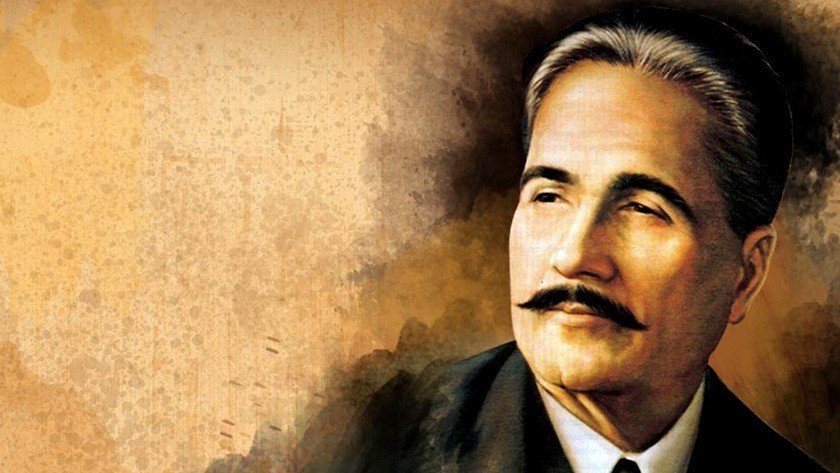
Allama Muhammad Iqbal – The Poet of the East & Visionary Behind Pakistan

“Aiming for excellence, building my future, and inspiring others through knowledge and innovation.”

Allama Muhammad Iqbal – The Poet of the East & Visionary Behind Pakistan✓ Verified Profile
“Education is not just about degrees, it’s about building a better you and a better tomorrow.”
— Allama Muhammad Iqbal – The Poet of the East & Visionary Behind Pakistan

    Early Life & Education

    Allama Iqbal was born on November 9, 1877, in Sialkot (now in Pakistan). He belonged to a Kashmiri family known for its religious background. His early education took place in Sialkot, where he studied Arabic, Persian, and Islamic studies. He later moved to Lahore and graduated from Government College Lahore with a degree in philosophy.

    His thirst for knowledge took him to Europe, where he pursued higher studies:

    • Cambridge University (UK) – Studied philosophy and law.
    • University of Munich (Germany) – Completed his PhD in Philosophy.

    His exposure to Western philosophy, combined with his deep Islamic knowledge, shaped his ideas about self-awareness, nationalism, and spiritual revival.

    Iqbal’s Poetry and Philosophy

    Allama Iqbal’s poetry is a powerful source of motivation and self-awareness for Muslims. He mainly wrote in Persian and Urdu, using poetry as a means to awaken the Muslim Ummah.

    Key Themes in His Poetry:

    1. Khudi (Self-Realization & Self-Respect) – Iqbal emphasized the concept of Khudi, which means self-awareness and self-confidence. He believed that individuals should recognize their true potential and strive for greatness.
    2. Islamic Revival – He encouraged Muslims to return to the core values of Islam and seek knowledge, unity, and progress.
    3. Pan-Islamism – He advocated for Muslim unity across the world and inspired them to rise above divisions.
    4. Vision for Pakistan – His poetry indirectly laid the foundation for a separate Muslim state, later known as Pakistan.

    Some of his most famous poetic works include:

    • Bang-e-Dra (The Call of the Marching Bell)
    • Asrar-e-Khudi (Secrets of the Self)
    • Payam-e-Mashriq (Message of the East)
    • Zarb-e-Kalim (The Blow of Moses)

    Role in the Creation of Pakistan

    Although Iqbal was not directly involved in politics, his ideas played a vital role in the demand for Pakistan. In 1930, during his famous Allahabad Address, he clearly presented the idea of an independent Muslim state for the first time. He believed that Muslims of the subcontinent needed their own homeland where they could freely practice their religion and culture.

    His ideas later influenced Quaid-e-Azam Muhammad Ali Jinnah, who turned the vision into reality with the creation of Pakistan in 1947.

    Death & Legacy

    Allama Iqbal passed away on April 21, 1938, in Lahore, before witnessing the birth of Pakistan. His tomb is located near the Badshahi Mosque in Lahore, where thousands visit to pay tribute.

    His contributions to philosophy, poetry, and the creation of Pakistan make him a timeless figure. His poetry is still taught in schools, and his vision continues to inspire generations.

    ♟ Conclusion

    Allama Iqbal was not just a poet but a visionary leader who awakened the spirit of self-belief in Muslims. His teachings emphasize hard work, faith, and self-empowerment, which remain relevant today. His poetry and ideas are a guiding light for all who seek inspiration.

    “The journey is not just about reaching the destination, but about becoming the best version of yourself along the way.” — Allama Muhammad Iqbal – The Poet of the East & Visionary Behind Pakistan

    ✉ Leave a Comment

    One response to “Allama Muhammad Iqbal – The Poet of the East & Visionary Behind Pakistan”

    Leave a Reply

    Your email address will not be published. Required fields are marked *